
The Secret of Numeracy (across the curriculum)
Dec 10, 2014
A mathematician, like a painter or a poet, is a maker of patterns… The mathematician’s patterns, like the painter’s or the poet’s must be beautiful; the ideas like the colours or the words, must fit together in a harmonious way. Beauty is the first test.As some readers will no doubt be aware, I'm no mathematician. It might then seem presumptuous to take a view on the teaching of numeracy, but I think the fact that I'm not naturally numerate gives me a perspective that other, more mathematically minded thinkers might lack.
GH Hardy
My first, rather trite observation is that numeracy is not the same as literacy. Being literate - able to read, write and communicate - is, to one degree or another, essential for all school subjects. Despite the clunky misnomer, 'literacy' (and by literacy I mean language) is present in every lesson whether we want it there or not. Unless you've perfected some innovated new mime method of teaching (and if you have I'd like to hear - or even better, watch - your explanation) teaching by its very nature depends on language to convey ideas to pupils. Numeracy, on the other hand, is not a universal constant across all lessons.
But, like literacy, the concept of 'numeracy' desperately needs some unpicking. What, for instance, is the difference between numeracy and maths? Numeracy is just one component of mathematics and not, perhaps, the most important. Numeracy, being numerate, is the ability to understand and work with numbers. Working with numbers is important, essential even, but irrelevant in various subjects. Much better, I think, to talk about 'mathematical thinking' than numeracy. Mathematical thinking encompasses something so much broader and arguably is relevant to all curriculum areas.
Just as there are many atrocities committed in the name of literacy, at its worst numeracy across the curriculum is a concept so superficial it's barely even there. I'm not saying it's actually harmful, but what's the point of this?
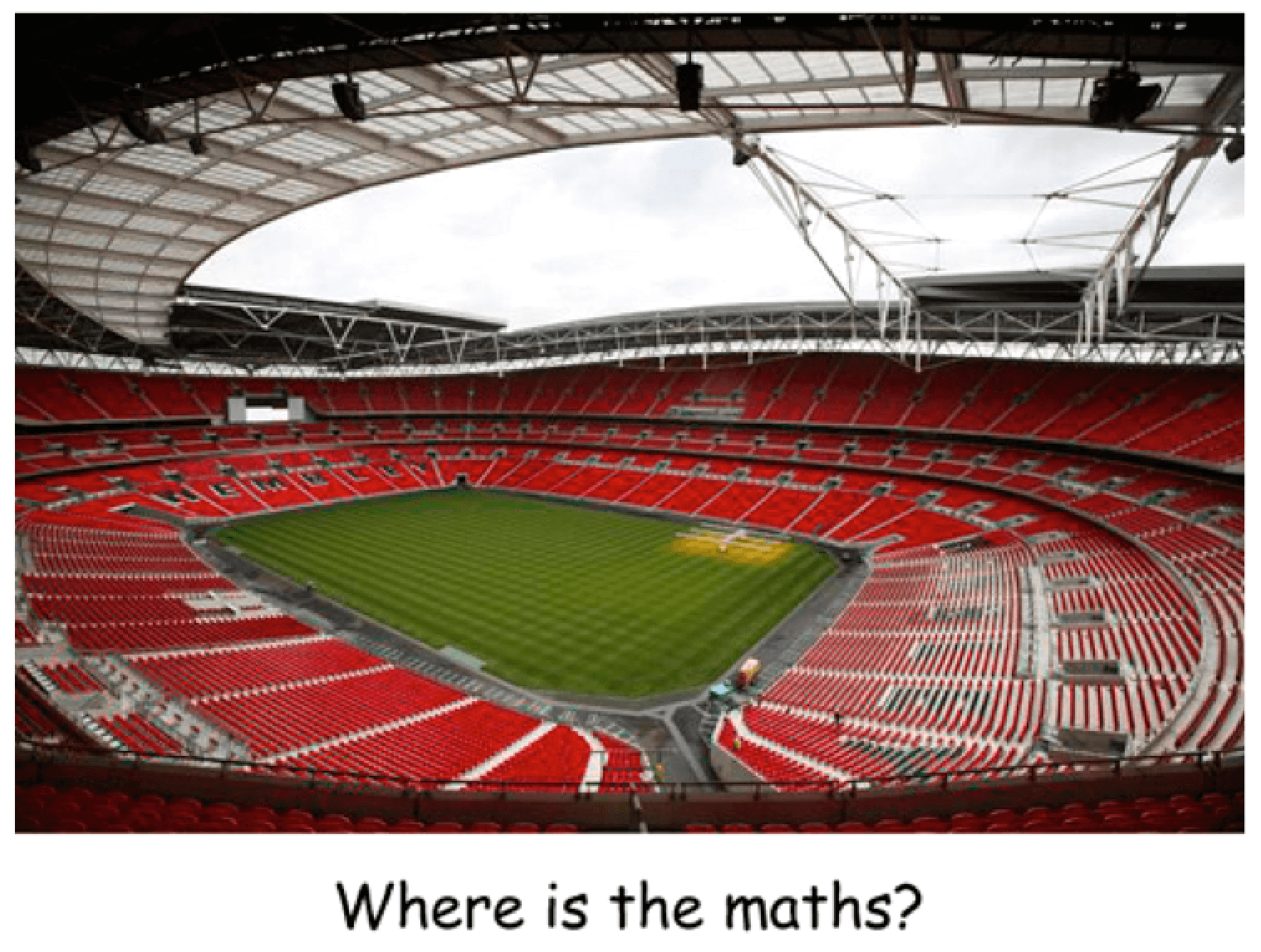
I get the point that we can find mathematics in everything, but is this kind of generic numeracy activity really a useful way to start lessons?
Here are a few other examples I've seen perpetrated by real teachers in real schools:
- English: count the number of lines in a poem
- Art: calculate the amount of paint needed to cover your canvas
- History: Multiply the number of King Henrys by the number of King Georges
- PE: time yourself running 100m, take your pulse, draw a graph…
As an alternative however, there might be real worth in the concept of 'thinking like a mathematician', but what exactly does this entail? As far as I can work out, there are, broadly, four areas of maths:
- Number
- Operations & calculations
- Shape, space & measures
- Data handling
These are some of the ways mathematical thinking might naturally occur across the curriculum:
- Identifying structures & relevant data
- Being systematic
- Searching for patterns
- Thinking logically
- Predicting & checking
- Breaking down problems into smaller parts
- Interpreting solutions in context of problem
- Estimating to check likelihood of answers
So, what could we do in lessons?
Here are some possibilities:
1. Sequencing
In order to help students think systematically, logically and to break down problems into smaller parts it helps to see things sequentially. Six Degrees of Separation (or The Kevin Bacon Game as it's sometimes known), is useful way to get pupils to reflect on the explanations we’ve offered. If you’ve never encountered this before, it’s based on the theory that every human being in the world is connected to every other human being through a chain of no more than six people. The idea is that they need to logically sequence their understanding from one concept to another. We could provide pupils with a prompt connected to the topic we’re studying, give them an end point they have to connect to and get them to sequence what they know:
- Select a topic or theme.
- Write 1–6 along a timeline.
- Put your topic at number 6.
- Get from the stimulus to your topic in no more or less than six steps.
2. Asking mathematical questions
In most subjects there are times when we want students to consider what they're learning about in a mathematical way. It might therefore be useful to ask them to frame question about curriculum content in mathematical terms:
- How could you sort these.......?
- How many ways can you find to ....... ?
- What happens when we ......... ?
- How many different ....... can be found?
- What is the same/different?
- Can you group these ....... in some way?
- Is there a pattern?
- How can this pattern help you find an answer?
- What do think comes next? Why?
- Is there a way to record what you've found that might help us see more patterns?
- What would happen if....?
And asking these kinds of questions could help prompt student to think about subject content using the tools of mathematics:
- specialising – trying special cases, looking at examples
- generalising - looking for patterns and relationships
- conjecturing – predicting relationships and results
- convincing – finding and communicating reasons why something is true.
The Venn Diagram useful way to organise and present information across a range of subjects.
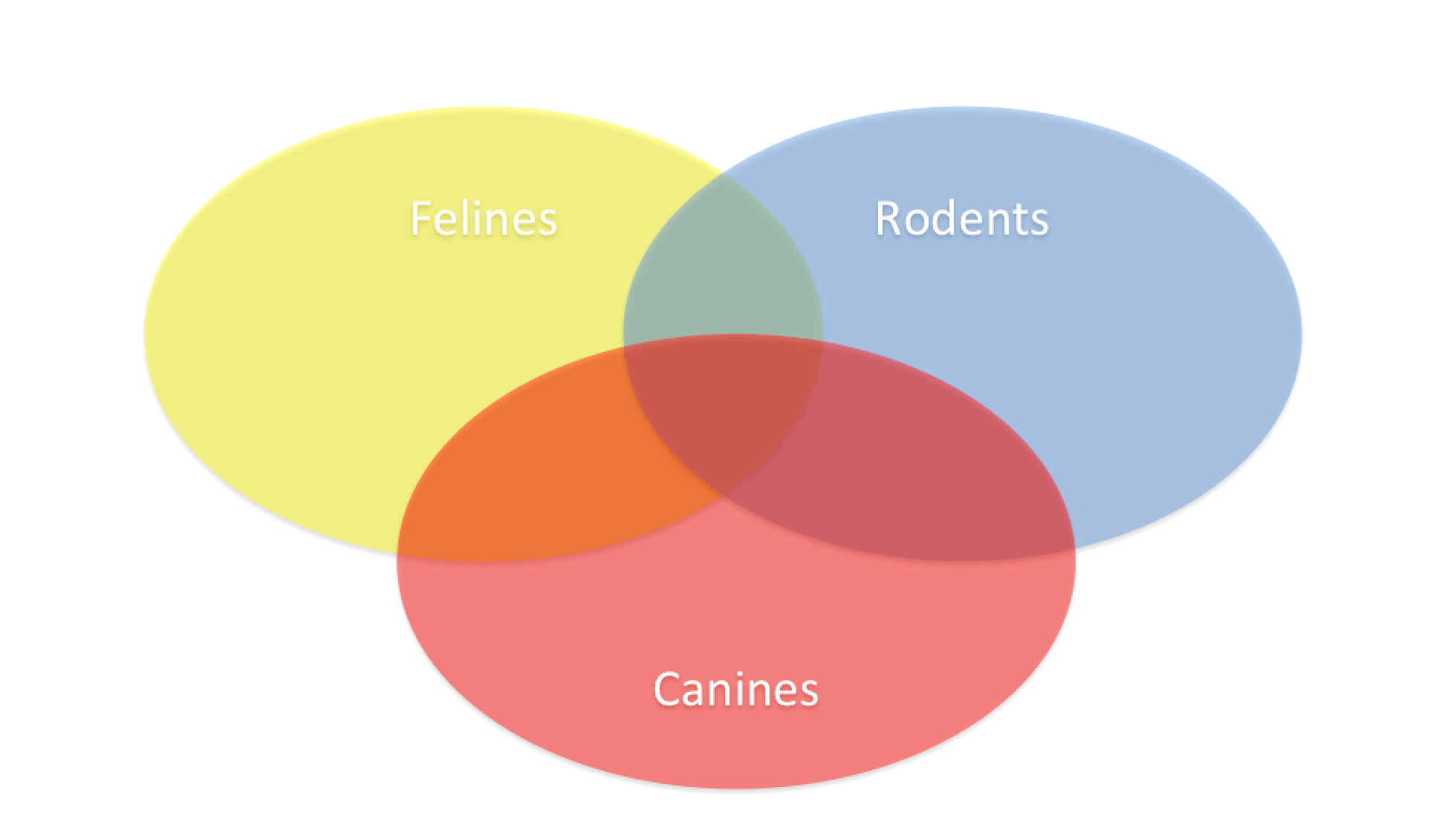
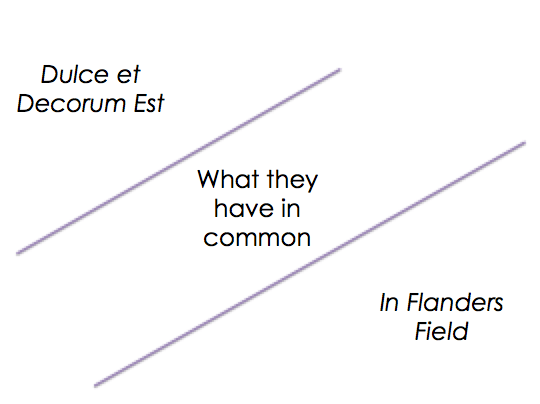
One drawback though is that the overlapping space can be too cramped to contain much writing. An alternative is to use Comparison Alley where information is organised in such a way that there's plenty of space to make the comparison:
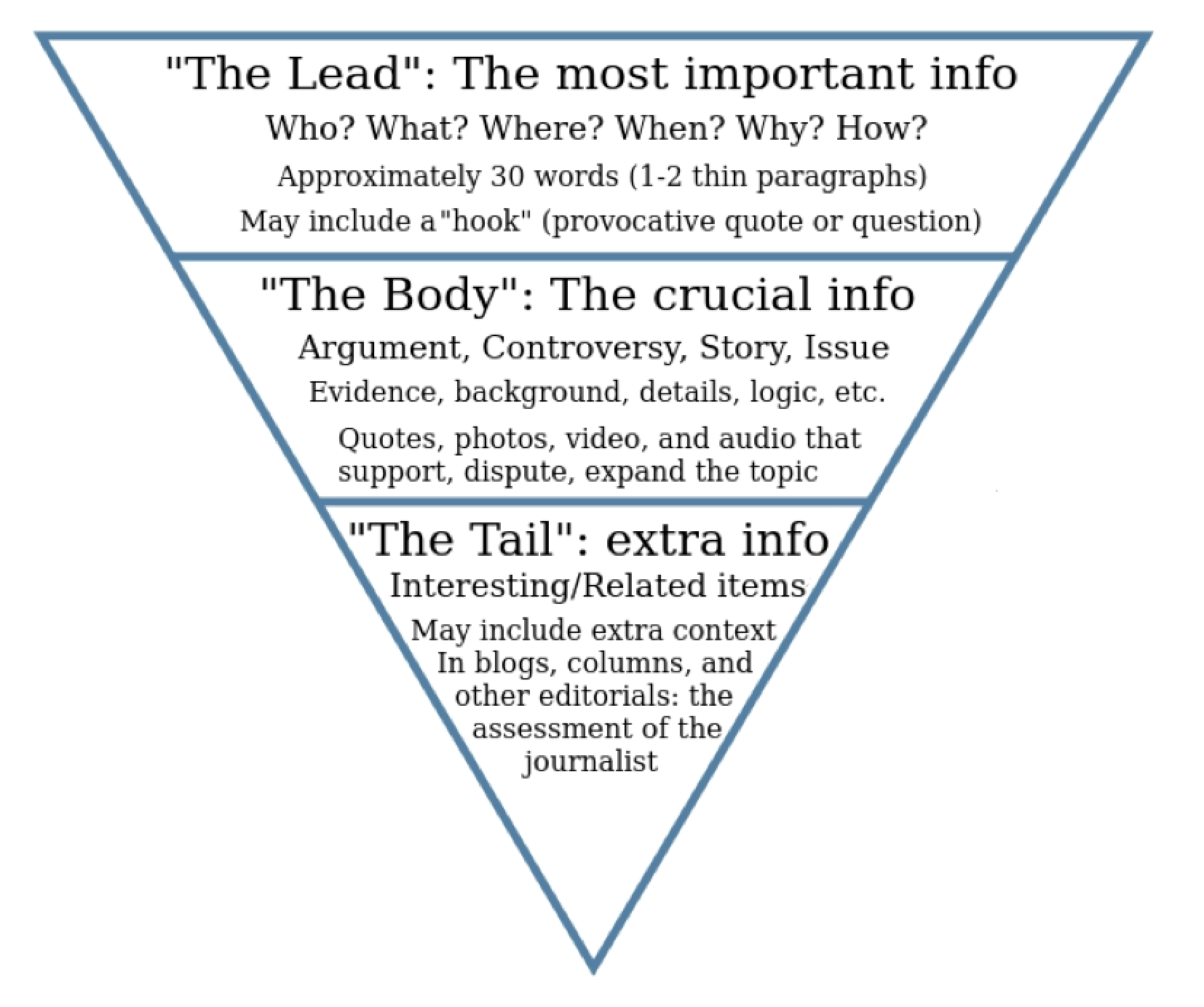
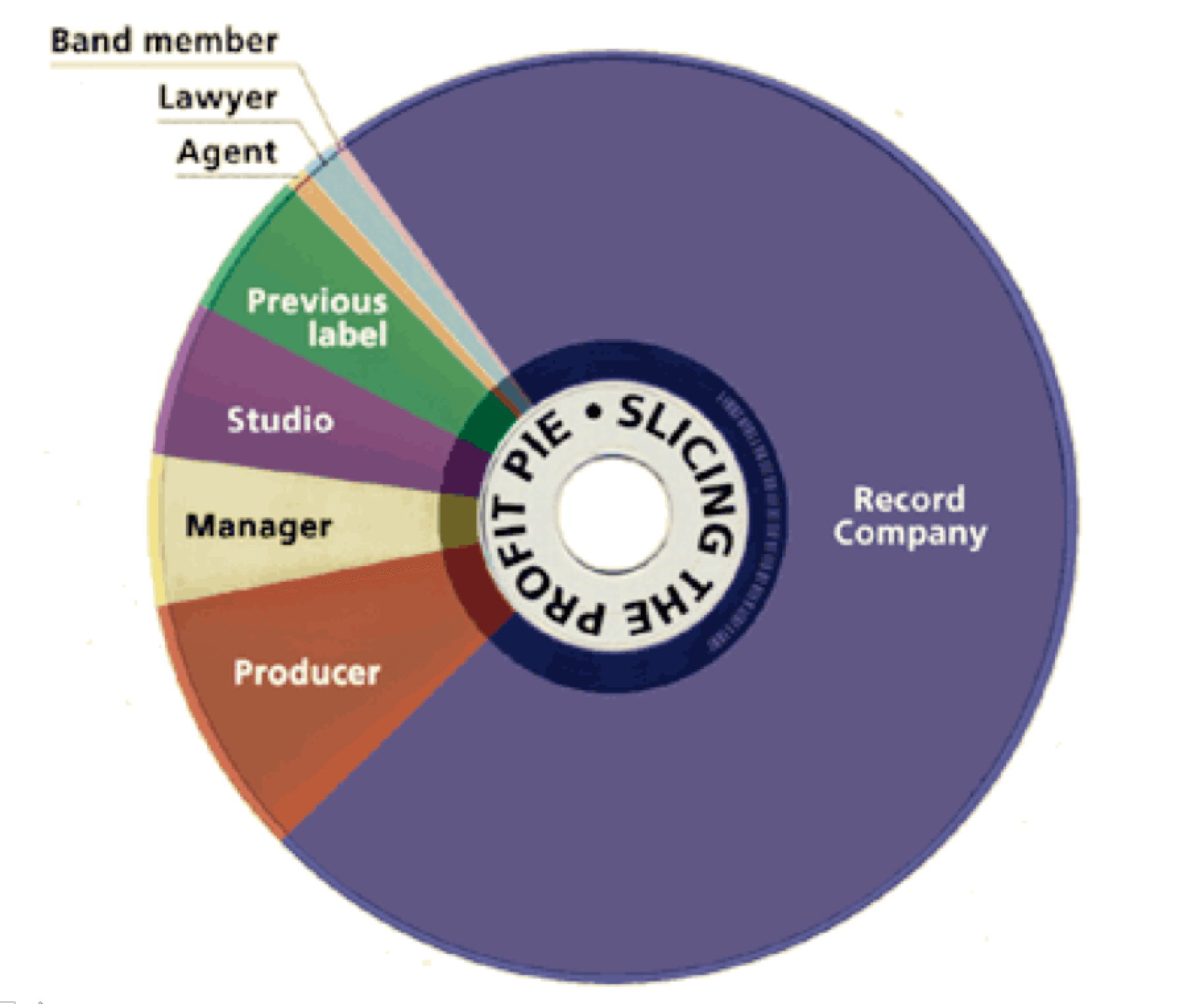
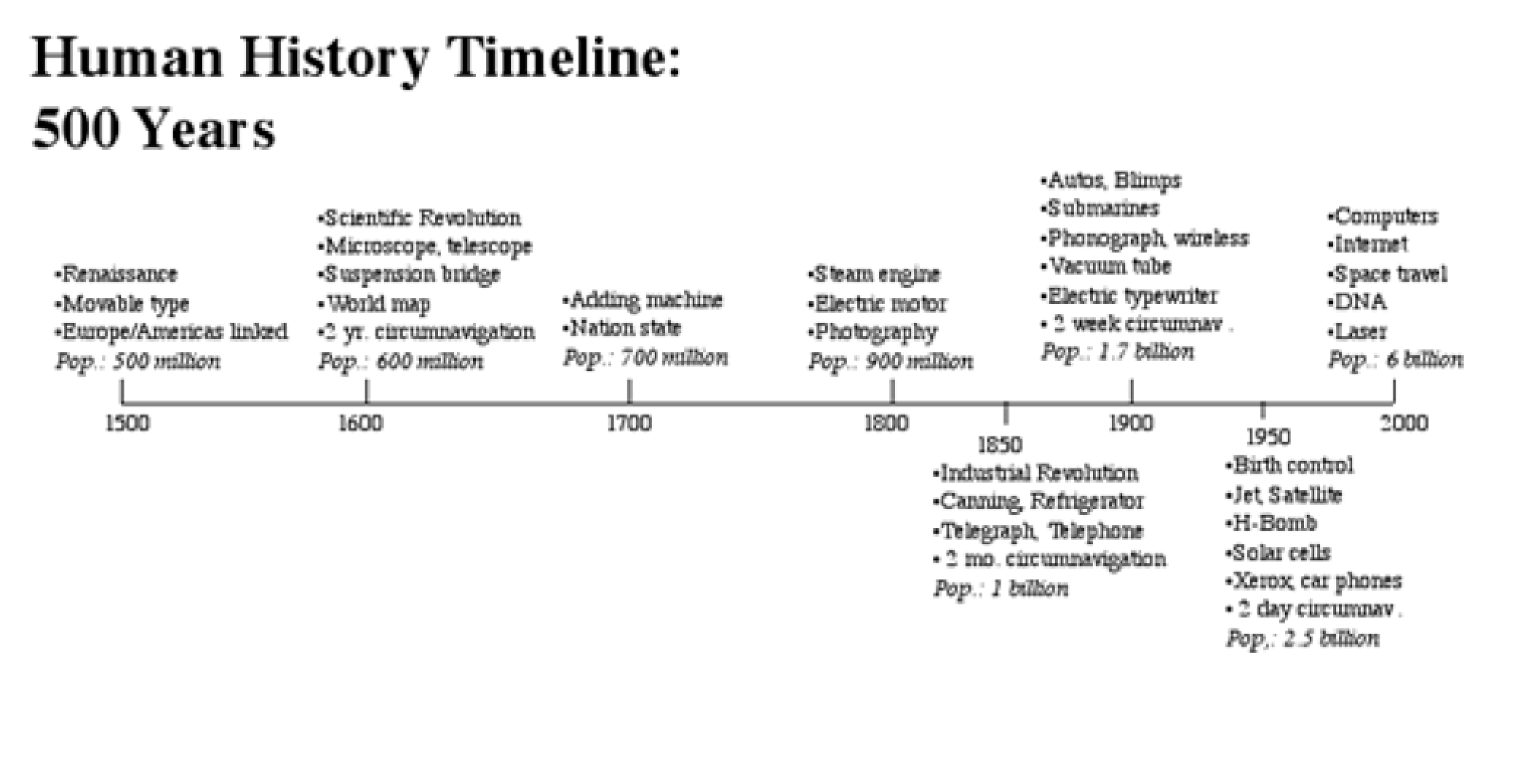
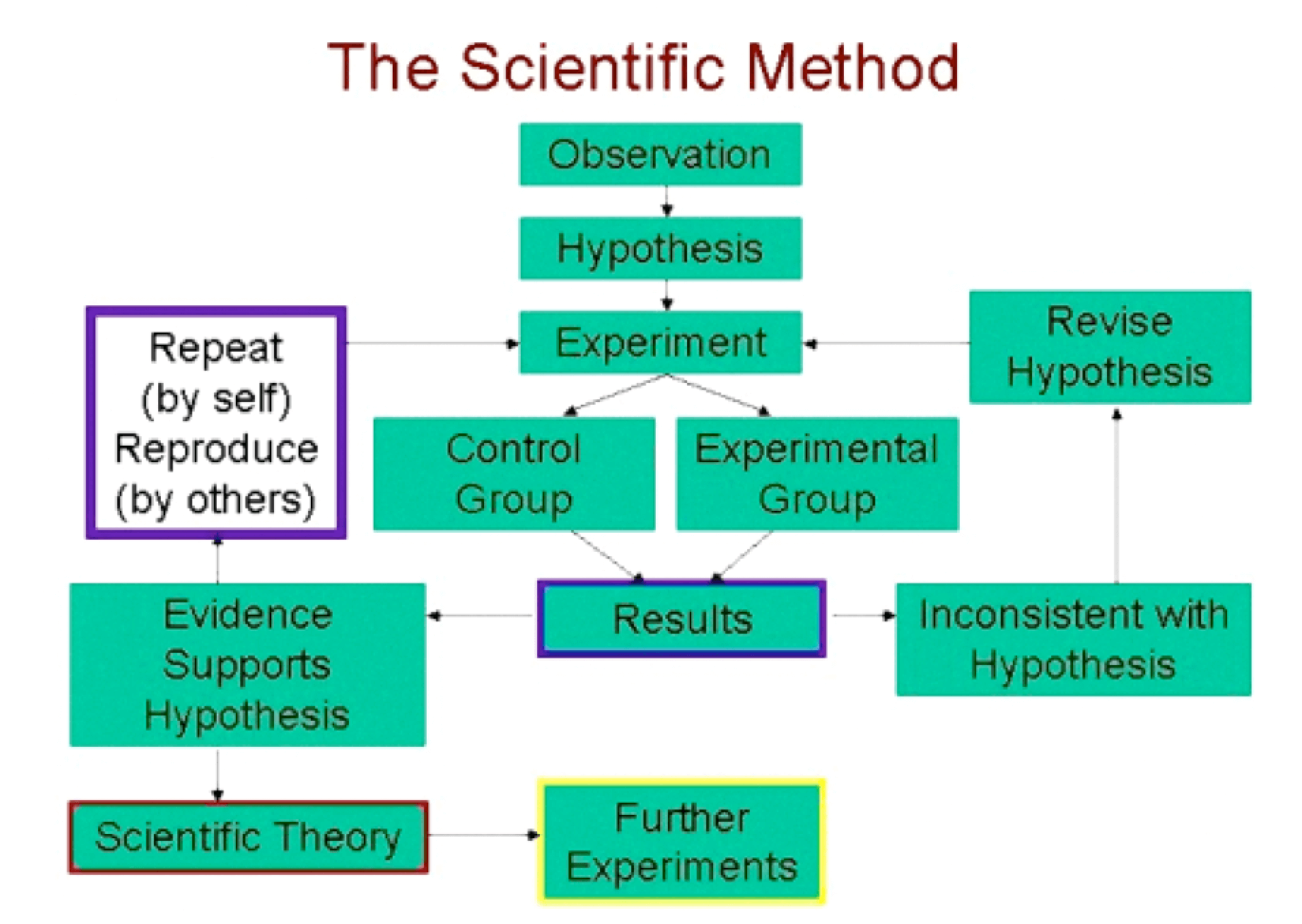
5. Presenting information
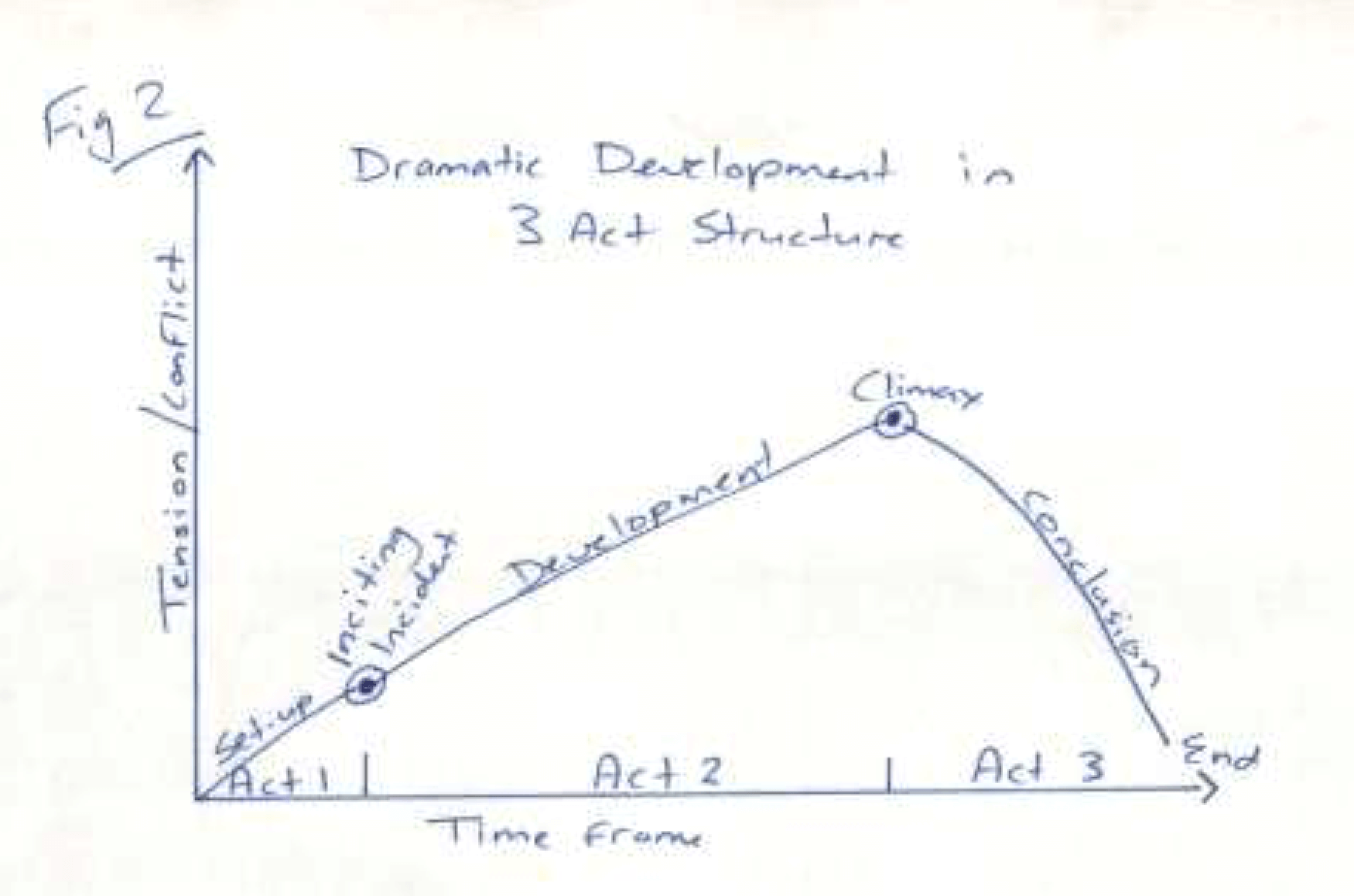
Maths provides new and useful ways of seeing the world. Many if not most subject areas can find space to expand students' thinking by asking them to express their understanding using the tools of mathematics. For instance I have on various occasions used each of the following in English lessons:
- Graphs
- Timelines
- Flow charts
- Graphic organisers
- Pie charts
6. Seeing relationships
Size matters. Understanding how big something is in relation to something else can be important in all sorts of lessons. Another area where we might benefit from mathematical thinking is scale. A favourite example is how we can get students to wrap the head around how big a billion is:
- A million seconds = 11 ½ days
- A billion seconds = 32 years
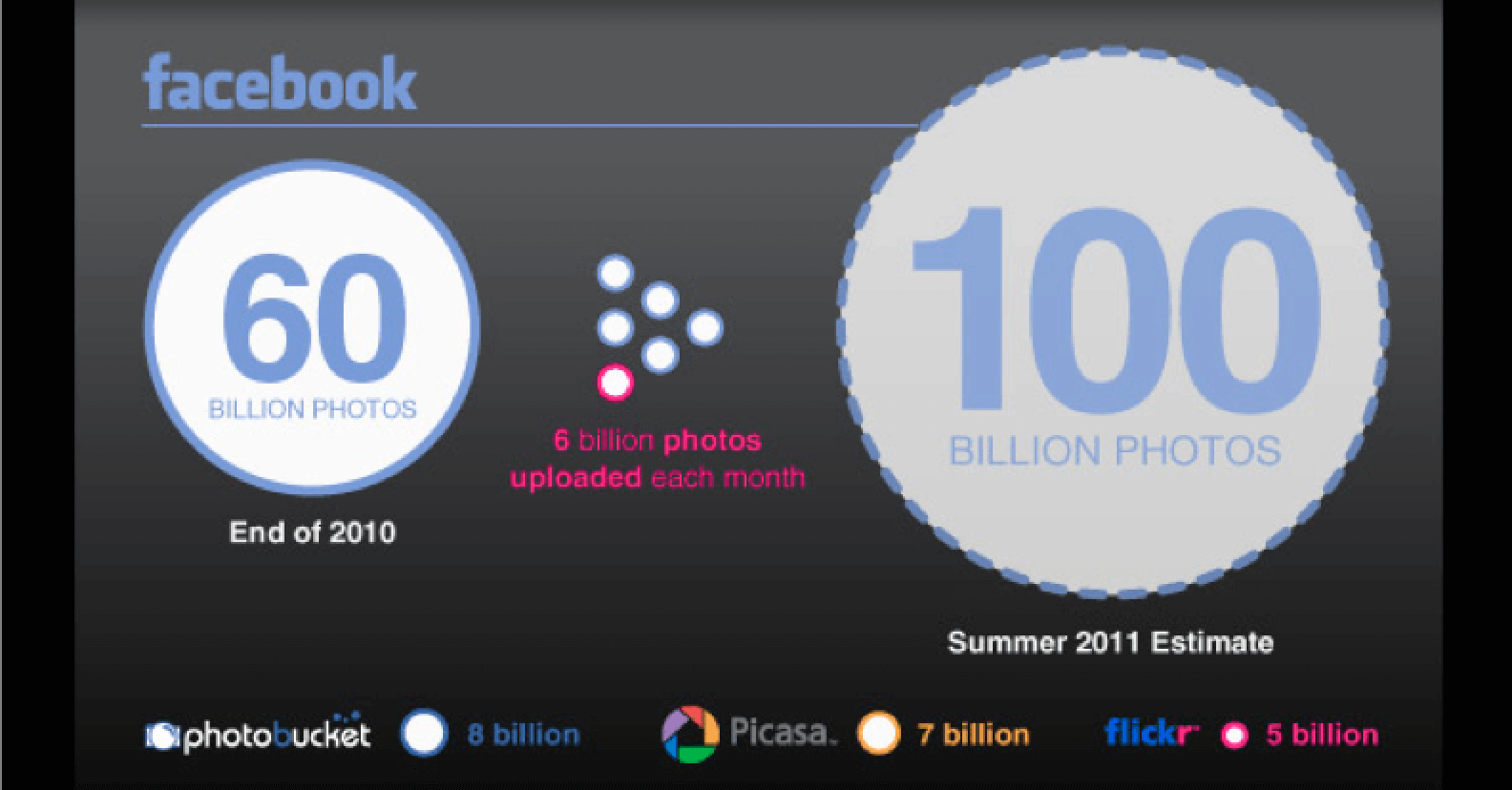
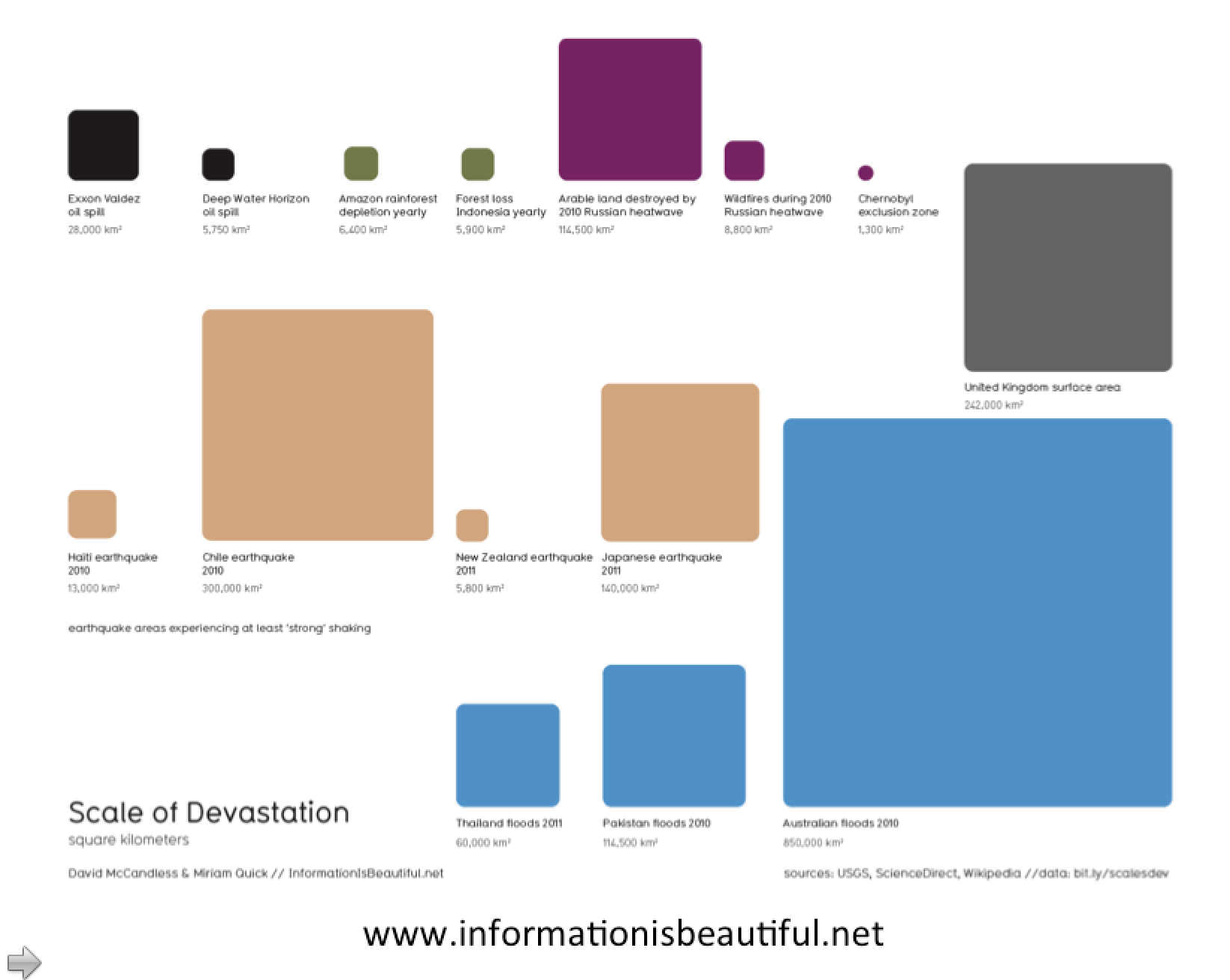
It's also important to see the mistakes we make when we try to establish patterns.
[caption id="attachment_6709" align="aligncenter" width="300"]
 Correlation is not causation![/caption]
7. Accuracy matters
Maths also has something to teach us about attention to detail, particularly the difference between 'getting it right' and 'getting it done'. Where can we apply the concept of ERROR CHECKING across the curriculum?
- Dates in history?
- Notation in music?
- Learning lines in drama?
- Punctuation in English?
My best thinking on whether to include an activity in your lesson in the name of numeracy is to ask if it helps students think about the subject content you're teaching. If it doesn't, it's a waste of time.
The Learning Spy Substack is a sharp, provocative dispatch from the front lines of education, where ideas are tested, myths are challenged, and nothing is taken for granted.
Join me on Substack